
World Cup 2026 Betting: Odds, Tips and Socceroos Coverage for Aussie Punters
 Available in US
Expert tips, odds analysis, and Socceroos coverage for every match — in AEST
World Cup 2026 Betting at a Glance for Aussie Punters
- The Socceroos face USA, Paraguay and Turkey in Group D — all three matches are on the US west coast, with kick-off times between 5:00 AM and 2:00 PM AEST, the most viewer-friendly slots for Australia.
- Australia vs Turkey on 14 June is the defining match: a win almost certainly secures a path out of the group stage in a tournament expanded to 48 teams.
- Decimal odds are the standard for Australian bookmakers — Argentina and France sit shortest in outright markets, but the new format creates genuine value deeper in the field.
- All 104 matches air free-to-air on SBS, and licensed Australian operators such as Sportsbet, Bet365, Ladbrokes and TAB carry full tournament markets in AUD.
- Credit cards and crypto are banned for betting deposits since June 2024, and online in-play wagering remains prohibited — phone-only for live bets.
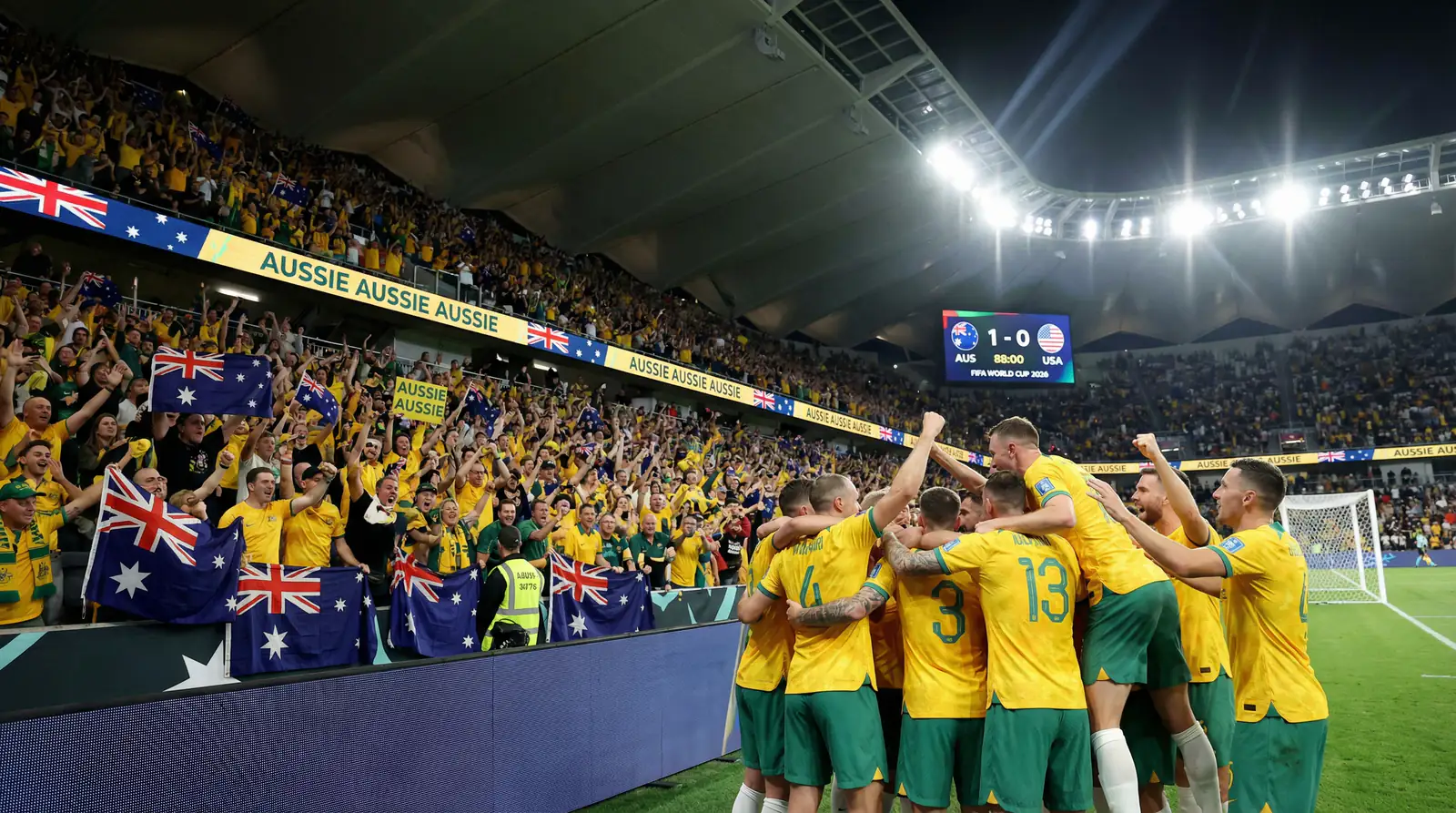
It's 2:00 AM in Sydney and your alarm just went off. The TV flicks to SBS, the commentator's voice lifts, and somewhere in Seattle the Socceroos are about to kick off against the United States in front of 70,000 screaming locals. You've had a multi riding since the group stage opener, the decimal odds looked generous at 3.40, and now everything comes down to the next ninety minutes. That scenario is roughly ten weeks away.
I've spent more than a decade dissecting World Cup betting markets — from the bloated favourite lists in 2014 to the shock of Saudi Arabia toppling Argentina in Qatar. The 2026 tournament is a different beast altogether: 48 teams, three host nations, 104 matches across 39 days, and a knockout bracket that starts at the Round of 32 instead of the Round of 16. For punters in Australia, that means more markets, more value and more early mornings than any World Cup in history.
This page is your central hub. Every section below covers a different angle — Socceroos form, outright odds, group-by-group snapshots, AEST scheduling, and practical guidance on placing bets from Australia. I'll update the odds and analysis as the tournament approaches. Grab a coffee, set your alarms, and let's break down everything an Aussie punter needs to know about World Cup 2026 betting.
Socceroos in Group D: What Every Aussie Punter Needs to Know
When the draw landed in December, I watched two reactions play out across Australian football circles almost simultaneously. The first: relief — no France, no Brazil, no group-stage death sentence. The second: nervous excitement — the USA at home, Turkey riding a playoff high, and Paraguay with that trademark South American stubbornness. Group D is not easy. But for the first time in several World Cup cycles, the Socceroos have drawn a group where qualification is a realistic target rather than a romantic dream.
Australia sits around 25th in the FIFA rankings, sandwiched between a host nation expected to top the group and two opponents ranked in the 40-to-50 range. The maths favour a second-place finish or, at minimum, a run at one of the eight best third-place spots that still progress to the Round of 32. I rate Australia's chances of advancing out of Group D somewhere between 55 and 65 per cent — a significant improvement on the coin-flip odds the Socceroos typically carry into a World Cup pool.
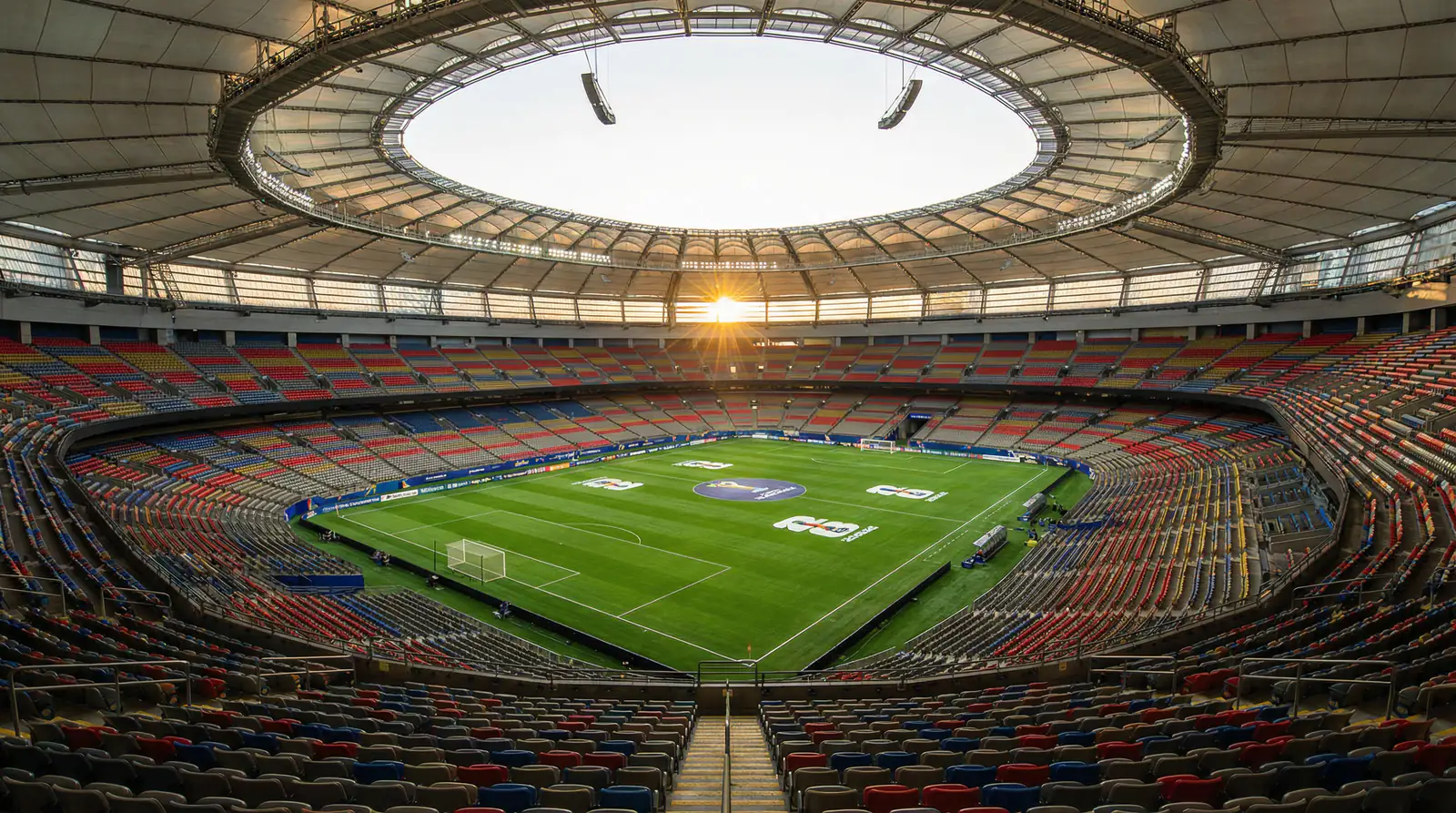
What makes this group especially interesting for punters is the venue clustering. All three Socceroos matches take place on the US west coast — Vancouver, Seattle and San Francisco. That's a logistical gift for the squad, minimising travel fatigue across a continent-sized tournament. It's also a scheduling gift for Australian viewers and punters, because west-coast kick-offs translate to the most AEST-friendly time slots in the entire fixture list.
Group D is the Socceroos' most favourable World Cup draw since Germany 2006. The combination of beatable opponents, west-coast venues and AEST-friendly scheduling creates a rare alignment for Australian punters.
Match Schedule in AEST
Forget the scramble to convert Eastern Time — here's the Socceroos' Group D fixture list in the time zone that matters.
| Date | Match | Venue | AEST |
|---|---|---|---|
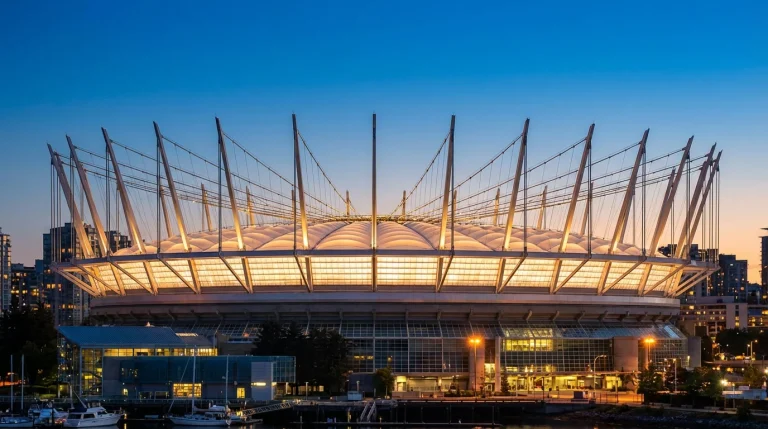
| Saturday 14 June | Australia vs Turkey | BC Place, Vancouver | 2:00 PM |
| Thursday 19 June | USA vs Australia | Lumen Field, Seattle | 5:00 AM |
| Wednesday 25 June | Paraguay vs Australia | Levi's Stadium, San Francisco | 12:00 PM |
Convert any North American kick-off into your Australian clock, see how much sleep the match costs you, and get a stake ceiling for bets you'd otherwise place half-asleep. Online in-play betting is banned in Australia, so every bet on a 3am match is set-and-forget — size it accordingly.
| Match | Your time | Slot | Full unit | Ceiling | 3AM Tax | Remove |
|---|---|---|---|---|---|---|
| Slate total | — | — | — | |||
How the numbers are worked out
Time conversion. Each venue is mapped to its real zone — Pacific, US Central, Eastern, or Mexico (which has had no daylight saving since 2022). US and Canadian DST is applied from the second Sunday in March to the first Sunday in November; Australian DST from the first Sunday in October to the first Sunday in April, and only for Sydney, Melbourne, Canberra, Hobart and Adelaide. Brisbane, Darwin and Perth never shift.
Match window. Kick-off minus 30 minutes (team news, late price moves) through to roughly full time: 90 minutes plus half-time and stoppage. Overlap with your stated sleep window is the sleep cost.
Stake ceiling. Your full unit is reduced on a sliding scale as sleep loss rises — down to 30% of a unit for a match that eats more than two and a half hours of your night. A separate cap of half a unit applies to any bet placed between 11pm and 5am, whatever the sleep maths says, because that is the window where staking discipline reliably slips. The gap between your full unit and the ceiling is the 3AM Tax: exposure you keep rather than commit.
Lock-in time. If the match sits inside your sleep window, the deadline is one hour before you'd normally go to bed the night before — bet while you're awake and thinking, not on a phone at 3:40am. Otherwise it's 15 minutes before kick-off.
Why it matters here. Under the Interactive Gambling Act, online in-play betting is prohibited in Australia — live bets are phone-only. A bet on a graveyard-slot match therefore can't be hedged, trimmed or cashed out from your couch, because you're asleep. That's a real, structural reason to stake less, not a lifestyle suggestion.
18+. This tool caps stakes, it doesn't predict results. Set a limit before the tournament and keep it. Gambling Help Online — 1800 858 858. Self-exclude from all licensed Australian operators at BetStop.
The opener against Turkey lands at 2:00 PM on a Saturday — prime viewing, prime punting. No alarm clock required, SBS coverage live and free, and the entire country can watch without rearranging a work schedule. This is the match that shapes the campaign. Turkey qualified through the UEFA playoffs, beating Romania and then Kosovo 1-0 in tense affairs. They're a side built on defensive organisation and quick transitions, led by Hakan Çalhanoğlu's passing range and the emerging talent of Arda Güler and Kenan Yıldız. A win here puts the Socceroos in control of their own fate; a loss doesn't end things, but it adds enormous pressure to the remaining two fixtures.
The USA clash is the tough one for time zones: 5:00 AM on a Thursday means a very early start or a very late night, depending on your approach. Lumen Field in Seattle is one of the loudest stadiums in North American sport, and the Socceroos will face a hostile crowd of 70,000 backing the hosts. From a punting perspective, the draw is the value outcome in this fixture — Australia are unlikely to be favourites, but a point against the USA would be a strong result for qualification purposes. Expect the head-to-head market to price a Socceroos win somewhere around 4.50 – 5.50, with the draw closer to 3.40.
Match three against Paraguay at noon on a Wednesday is lunchtime football — perfect for those with flexible workplaces or a generous lunch break. Paraguay's CONMEBOL qualifying campaigns are always gruelling, and they bring a physicality and tactical discipline that can frustrate more talented sides. By the time this match kicks off, the Group D picture will be clearer. If Australia have points on the board from the first two fixtures, this could be a game where a draw is enough. If they need a result, Levi's Stadium in the Bay Area offers a neutral-ish venue where neither team will enjoy a significant crowd advantage.
For punters, the scheduling matters beyond convenience. Historically, I've found that Socceroos matches in comfortable AEST time slots attract heavier domestic wagering volume, which can move lines at Australian-licensed bookmakers. If you're looking for value, placing bets well before the week of the match tends to capture better prices.
All three Socceroos group matches are within the same Pacific time zone — the first time Australia has played an entire World Cup group stage without changing time zones since the 2006 tournament in Germany.
Group D Odds and Outright Markets
As of early April 2026, the outright Group D winner market looks roughly like this across the major Australian-licensed bookmakers:
| Team | To Win Group D | To Qualify from Group D |
|---|---|---|
| USA | 1.55 – 1.65 | 1.10 – 1.15 |
| Australia | 4.50 – 5.50 | 1.90 – 2.10 |
| Turkey | 4.00 – 5.00 | 2.00 – 2.20 |
| Paraguay | 6.00 – 7.50 | 2.50 – 2.80 |
The USA are heavy favourites to top the group, and that price feels fair — home crowd, strong squad depth, and a federation that has poured resources into preparation. The real battle is for second place, and here the market puts Australia and Turkey neck-and-neck, with Paraguay slightly behind.
I think the qualification odds for Australia around the 1.90 – 2.10 mark offer decent value. The Socceroos need to finish second or potentially grab one of the eight best third-place slots. With 48 teams and a generous knockout structure, even a single win and a draw could be enough. The full odds breakdown across all 12 groups tells a similar story: mid-tier teams have never had better structural odds of advancing at a World Cup.
Turkey's qualification price sitting slightly shorter than Australia's reflects the European playoff pedigree — they knocked out Romania and Kosovo to be here — but I'd argue it undervalues the Socceroos' consistency in recent Asian qualifying and the tactical flexibility the squad has shown across the past two years. The head-to-head match between Australia and Turkey on the opening matchday will likely shift these group odds significantly. A Socceroos win could push their qualification price down toward 1.50, while a loss would see it drift past 2.50. If you believe in Australia, getting on before that first whistle is the sharpest move.
The Socceroos' story sits at the heart of this hub — but the tournament stretches across 48 nations, 16 stadiums and two months of football. Here's the wider picture.
World Cup 2026: 48 Teams, Three Host Nations and 104 Matches



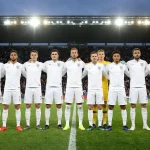

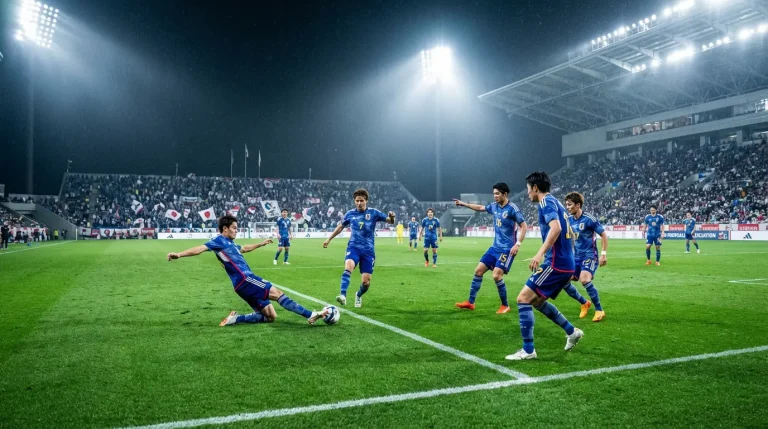

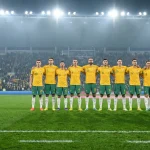
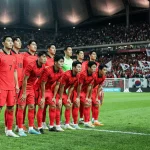

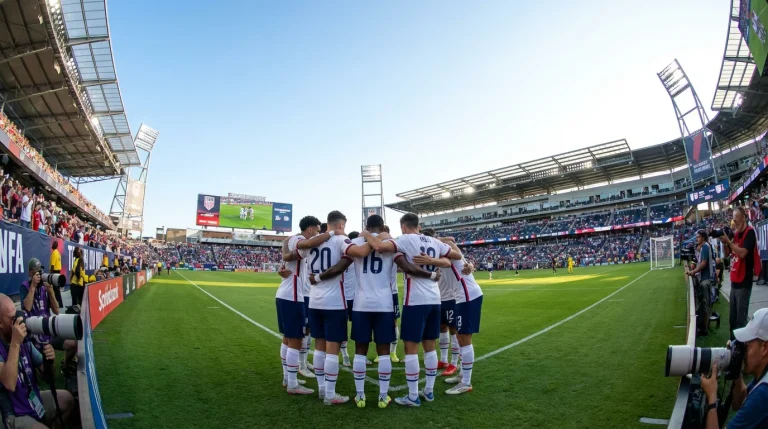
FIFA spent the better part of a decade talking about expansion. Now it's here, and the numbers are staggering. The 2026 World Cup runs from 11 June to 19 July across the United States, Mexico and Canada, featuring 48 teams divided into 12 groups of four. That's 16 more teams than Qatar 2022, 41 additional matches, and a knockout bracket that begins with a Round of 32 — a stage that has never existed at a World Cup before.
The group stage operates on familiar logic: each team plays three matches, the top two in every group advance automatically, and the eight best third-placed teams also go through. That last detail is critical for punters. In a 32-team World Cup, finishing third meant going home. In 2026, finishing third with a decent goal difference could still earn a knockout berth. This structural change compresses the odds for mid-tier nations — teams like Australia, Japan, South Korea and Turkey — making qualification markets more interesting than at any previous tournament.
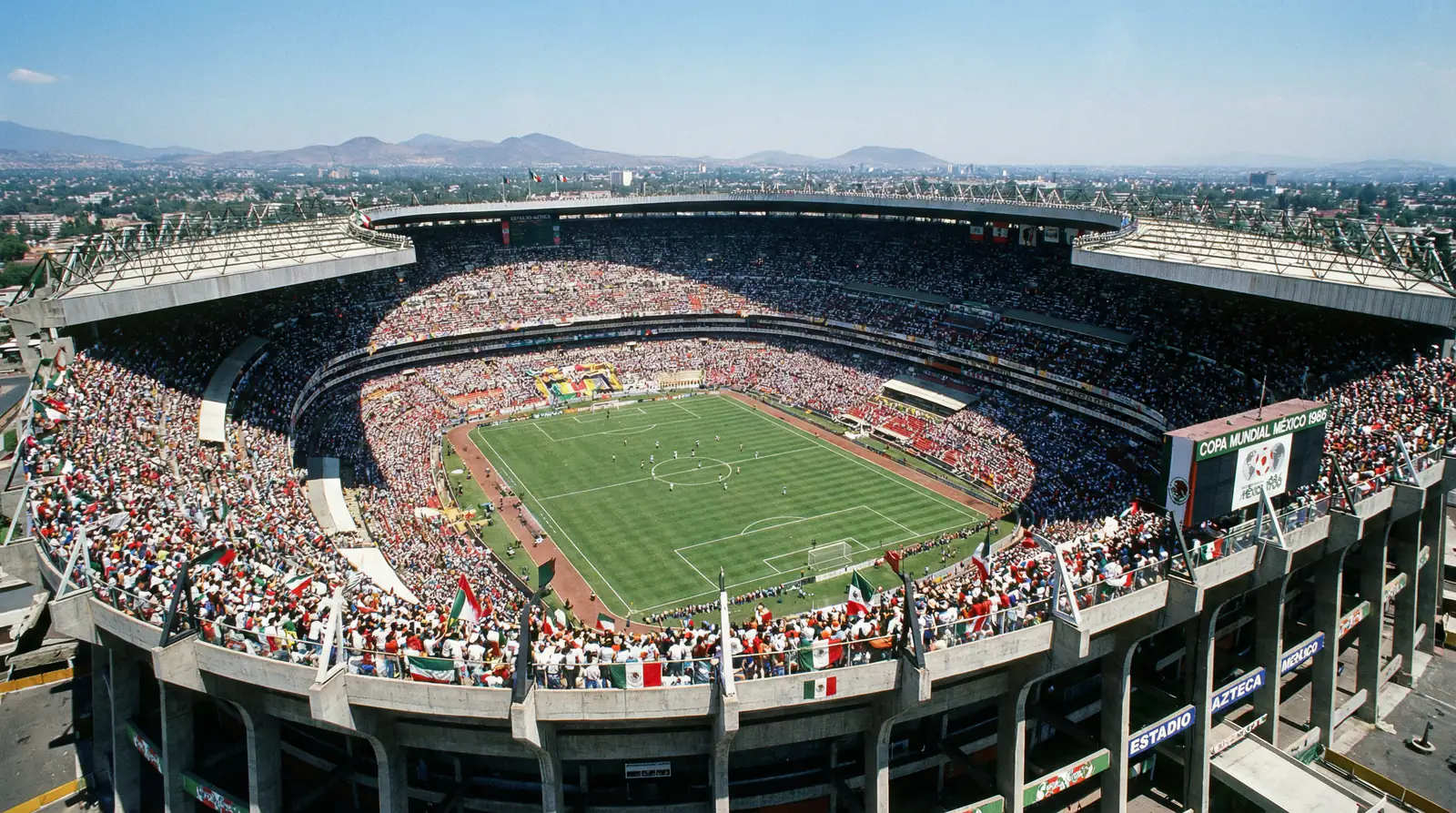
The hosting arrangement splits the 104 fixtures unevenly. The United States carries the bulk with 78 matches across 11 stadiums, including every knockout match from the quarter-finals onwards and the final at MetLife Stadium in New Jersey. Mexico hosts 13 matches at three venues, anchored by the opening match at Estadio Azteca on 11 June. Canada contributes 13 matches at two stadiums — BC Place in Vancouver and BMO Field in Toronto.
Estadio Azteca becomes the first stadium in history to host matches at three separate World Cups — 1970, 1986 and 2026.
From an Australian viewing perspective, the geographic spread matters. West-coast US venues (Vancouver, Seattle, San Francisco, Los Angeles) produce kick-off times that land between late morning and early afternoon AEST. East-coast stadiums (New Jersey, Miami, Atlanta, Philadelphia, Boston) push kick-offs into the small hours of the morning AEST. Mexican venues fall somewhere in between. Planning your punting around the group-by-group schedule helps you decide which matches you'll watch live and which you'll catch on replay — and whether to lock in pre-match bets or skip the late-night fixtures entirely.
The tournament's 39-day window means an average of nearly three matches per day during the group stage. For anyone running a World Cup bankroll, that density is both an opportunity and a trap. More matches mean more markets, but they also mean more temptation to bet on games you haven't researched. Discipline matters more in 2026 than at any World Cup before it.
One structural detail that experienced punters should note: the Round of 32 is entirely new territory. There's no historical data on how this stage plays out at a World Cup — no pattern of upsets, no baseline for goals per match, no established trend for favourites covering the line. Bookmakers will be pricing these fixtures partly on guesswork, and where bookmakers guess, informed punters can find edges. The transition from group stage to Round of 32 will be the single most interesting betting window of the entire tournament.
Betting on the World Cup from Australia: What's Legal and Where to Punt
A mate of mine placed his first-ever football bet during the 2022 World Cup — Saudi Arabia to beat Argentina at 23.00. He won, then immediately tried to cash out his next bet mid-match using a live betting feature on his phone. The app blocked him. He called me confused, and I had to explain that in Australia, online in-play betting is illegal. You can only place live bets by phone. Four years later, nothing has changed on that front, and it catches new punters off guard every single World Cup.
The legal framework for sports betting in Australia rests on the Interactive Gambling Act 2001, amended in 2016. The act permits online sports wagering through operators licensed by state or territory authorities, while banning online casino games and — crucially — online in-play betting. The Australian Communications and Media Authority (ACMA) enforces the rules at the federal level, and AUSTRAC handles anti-money-laundering compliance. Every bookmaker legally operating in Australia holds a licence from a state racing or gambling authority.
Since June 2024, punters can no longer use credit cards or cryptocurrency to fund betting accounts. Deposits are restricted to debit cards, bank transfers and approved e-wallets. The ban was introduced to reduce gambling-related financial harm, and it applies uniformly across all licensed Australian operators. If you've been away from the betting scene for a while, check your deposit methods before the tournament starts — you don't want to discover the restriction at 1:55 AM AEST with two minutes to kick-off.
BetStop — Australia's national self-exclusion register, operational since 2023. Registering with BetStop blocks you from all licensed Australian wagering services for a chosen period. It's free, confidential and accessible online.
The major licensed operators carrying World Cup 2026 markets include Sportsbet, Bet365, Ladbrokes and TAB (Tabcorp). All four offer outright winner markets, group winner markets, match head-to-head (the Australian term for 1X2), over/under goals, both teams to score, and various player specials. TAB remains the most widely recognised brand, particularly among punters who came up through the racing world, while Sportsbet and Bet365 tend to dominate the mobile-first audience. Ladbrokes has carved out a niche with competitive odds on international football.
On the advertising front, the Albanese government announced sweeping gambling ad reforms on 2 April 2026. Starting in 2027, betting advertisements will be banned on sporting venues and player uniforms, celebrity endorsements in gambling ads will be prohibited, and only three gambling ads per hour will be permitted between 6:00 AM and 8:30 PM — with a complete blackout during live sports broadcasts in those hours. Online betting ads will be restricted to logged-in users verified as 18 or older. These changes won't affect the 2026 World Cup directly, but they signal a regulatory direction that every Australian punter should be aware of heading into the next cycle.
All odds on this site are presented in decimal format — the Australian standard. A decimal odd of 3.50 means a $10 bet returns $35 (including your stake). If you're used to punting on the AFL or NRL, the format is identical. The complete betting guide walks through market types, multi-bet structures and the finer points of finding value in decimal odds.
Australian betting law permits online pre-match wagering only. In-play bets must be placed by phone. Credit cards and crypto are no longer accepted for deposits. Stick with licensed operators — Sportsbet, Bet365, Ladbrokes, TAB — and know the rules before kick-off.
Outright Winner Odds: Favourites, Value Picks and Dark Horses
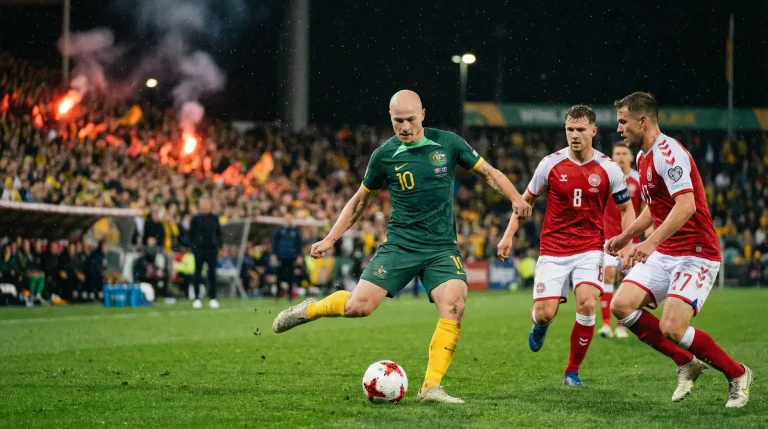


Every World Cup has a moment where the outright favourite stumbles — Germany going out in the group stage in 2018, Spain losing to Morocco on penalties in 2022, Brazil conceding four goals in seven minutes against their own fans in 2014. The market prices these risks in, but not always accurately. That gap between implied probability and real-world likelihood is where punters find their edge.
As the tournament approaches, the outright winner market has settled into a familiar hierarchy. Argentina, defending champions and Copa America holders, sit at the top of most boards between 4.50 and 5.50 — the shortest price for any team but nowhere near a certainty. France follow closely, typically between 5.50 and 6.50, buoyed by depth that runs two squads deep and a track record of back-to-back finals in 2018 and 2022. England, perpetually the market's darling, trade between 7.00 and 8.00, loaded with Premier League talent and yet to convert that quality into a senior men's trophy since 1966.
Brazil and Spain complete the top five. Brazil's odds have drifted slightly over the past six months — an unstable qualifying campaign and a coaching merry-go-round will do that — but the talent pool from Vinícius Jr to Endrick remains world-class. Spain, the youngest European champions in history after their 2024 Euro triumph, are a fascinating proposition between 8.00 and 9.00 if their core stays fit.
| Team | Approximate Outright Odds | Implied Probability |
|---|---|---|
| Argentina | 4.50 – 5.50 | 18 – 22% |
| France | 5.50 – 6.50 | 15 – 18% |
| England | 7.00 – 8.00 | 12 – 14% |
| Brazil | 8.00 – 10.00 | 10 – 12% |
| Spain | 8.00 – 9.00 | 11 – 12% |
| Germany | 10.00 – 13.00 | 8 – 10% |
| Portugal | 12.00 – 15.00 | 7 – 8% |
| Netherlands | 15.00 – 19.00 | 5 – 7% |
| USA (hosts) | 17.00 – 21.00 | 5 – 6% |
| Australia | 151.00 – 201.00 | 0.5 – 0.7% |
Now, value picks. Germany at 10.00 – 13.00 is one I keep circling back to. Their draw in Group E (Côte d'Ivoire, Ecuador, Curaçao) is manageable, and a kind knockout path could open up. The Netherlands, drawn alongside Japan and Sweden in Group F, represent another market I'd call slightly overpriced given their semi-final run in 2014 as the last North American World Cup hosts' boogeyman.
Dark horses — the teams priced between 25.00 and 80.00 — are where the 48-team format creates genuinely new opportunities. Morocco reached the semi-finals in 2022 and are drawn in Group C with Brazil, Scotland and Haiti. Japan have been the most improved Asian side over the past decade and boast a squad packed with players at top European clubs. Colombia, grouped with Portugal, DR Congo and Uzbekistan, have the kind of chaotic energy that produces deep runs in expanded tournaments.
For the Socceroos, the outright market prices them between 151.00 and 201.00 — effectively a 200-to-1 shot. I wouldn't touch the outright at those prices, but the Group D qualification market at 1.90 – 2.10 is where the Australian value sits. Back the Socceroos to advance, not to lift the trophy.
The last time a host nation won the World Cup was France in 1998 — 28 years before this tournament. The USA's outright odds of around 17.00 – 21.00 reflect both the advantage of home soil and the historical rarity of hosts actually winning.
Outright markets tell one story. The group stage — where the bulk of punting action happens — tells 12 different ones.
All 12 Groups at a Glance: Key Clashes and Early Betting Value
I once had a punter tell me he only bets on the groups he can name all four teams in. By that logic, he'd have skipped Group E in 2022 (Spain, Costa Rica, Germany, Japan) — and missed one of the biggest upsets in tournament history. The 48-team format means 12 groups, and unless you follow global football obsessively, at least a few of these pools will contain names you're not immediately familiar with. That's where value hides.
Here's the full draw, finalised after the last playoff and intercontinental matches in March 2026:
| Group | Team 1 | Team 2 | Team 3 | Team 4 |
|---|---|---|---|---|
| A | Mexico | South Korea | South Africa | Czechia |
| B | Canada | Switzerland | Qatar | Bosnia and Herzegovina |
| C | Brazil | Morocco | Haiti | Scotland |
| D | USA | Paraguay | Australia | Turkey |
| E | Germany | Côte d'Ivoire | Ecuador | Curaçao |
| F | Netherlands | Japan | Sweden | Tunisia |
| G | Belgium | Egypt | Iran | New Zealand |
| H | Spain | Cabo Verde | Saudi Arabia | Uruguay |
| I | France | Senegal | Iraq | Norway |
| J | Argentina | Algeria | Austria | Jordan |
| K | Portugal | DR Congo | Uzbekistan | Colombia |
| L | England | Croatia | Ghana | Panama |
The headlines write themselves in certain groups. Group C pits Brazil against Morocco — a rematch of Qatar's most exhilarating storyline — with Scotland hoping to cause chaos and Haiti making their tournament debut by proxy. Group L throws England and Croatia together again, a fixture that has delivered drama at the 2018 semi-final and Euro 2020 group stage. Group K is quietly brutal: Portugal, Colombia, DR Congo and Uzbekistan in a pool where any combination of two qualifiers seems plausible.
For betting purposes, I divide the 12 groups into three tiers of interest:
High-value groups for punters: Group D (Socceroos' group — you'll know it inside out), Group F (Netherlands vs Japan is a genuine 50-50 for the group win), Group K (Portugal are shorter than they should be given Colombia's strength), and Group H (Uruguay at 4th seed could ambush Spain). These pools offer the tightest margins between favourites and underdogs, which translates to the most interesting betting lines.
Favourite-dominated groups: Group A (Mexico should progress comfortably at home), Group E (Germany have the easiest draw of any European heavyweight), Group I (France should cruise despite Senegal's quality) and Group J (Argentina face no team ranked above 35th). In these groups, the value lies not in the group winner market — the favourite is usually fairly priced — but in specific match results and over/under lines.
Chaos groups: Group B (Bosnia and Herzegovina knocked out Italy in the playoffs — they can beat anyone on their day), Group G (Belgium's golden generation is ageing fast; Egypt and Iran are capable of an upset) and Group L (Croatia's pedigree makes them dangerous despite a fourth-seed slot). These are the groups where pre-tournament outright picks are most likely to go sideways, and where patient, match-by-match punting tends to outperform early group-winner bets.
Four nations — Cabo Verde, Curaçao, Jordan and Uzbekistan — are making their World Cup debuts. History says debutants rarely advance, but history didn't have a 48-team format where 32 of 48 teams go through. Jordan reached the Asian Cup final in 2024 and enter the tournament with genuine belief. Curaçao and Cabo Verde are the sentimental stories, and Uzbekistan have been knocking on the door for two decades. At the prices offered, debutant-related bets (to win a group match, to score first, etc.) can carry outsized value.
The detailed breakdown of every group's odds and match-by-match predictions sits on the dedicated groups page, but the snapshot above should give you a clear sense of where to focus your pre-tournament research. When you're ready to compare prices across operators, the guide to licensed Australian betting sites covers what each platform offers for World Cup markets.
Venue Guide
BC Place Vancouver: Socceroos’ First World Cup Match Venue — Everything You Need to Know...
-

Estadio Azteca 2026
Estadio Azteca: World Cup 2026 Opening Match Venue...
-

Levi’s Stadium Paraguay Australia
Levi’s Stadium San Francisco: Paraguay vs Australia Venue...
-

Lumen Field USA Australia
Lumen Field Seattle: USA vs Australia Venue —...
-

MetLife Stadium final venue
MetLife Stadium: World Cup 2026 Final Venue —...


Stadiums and Kick-Off Times in AEST: Planning Your Viewing and Punting
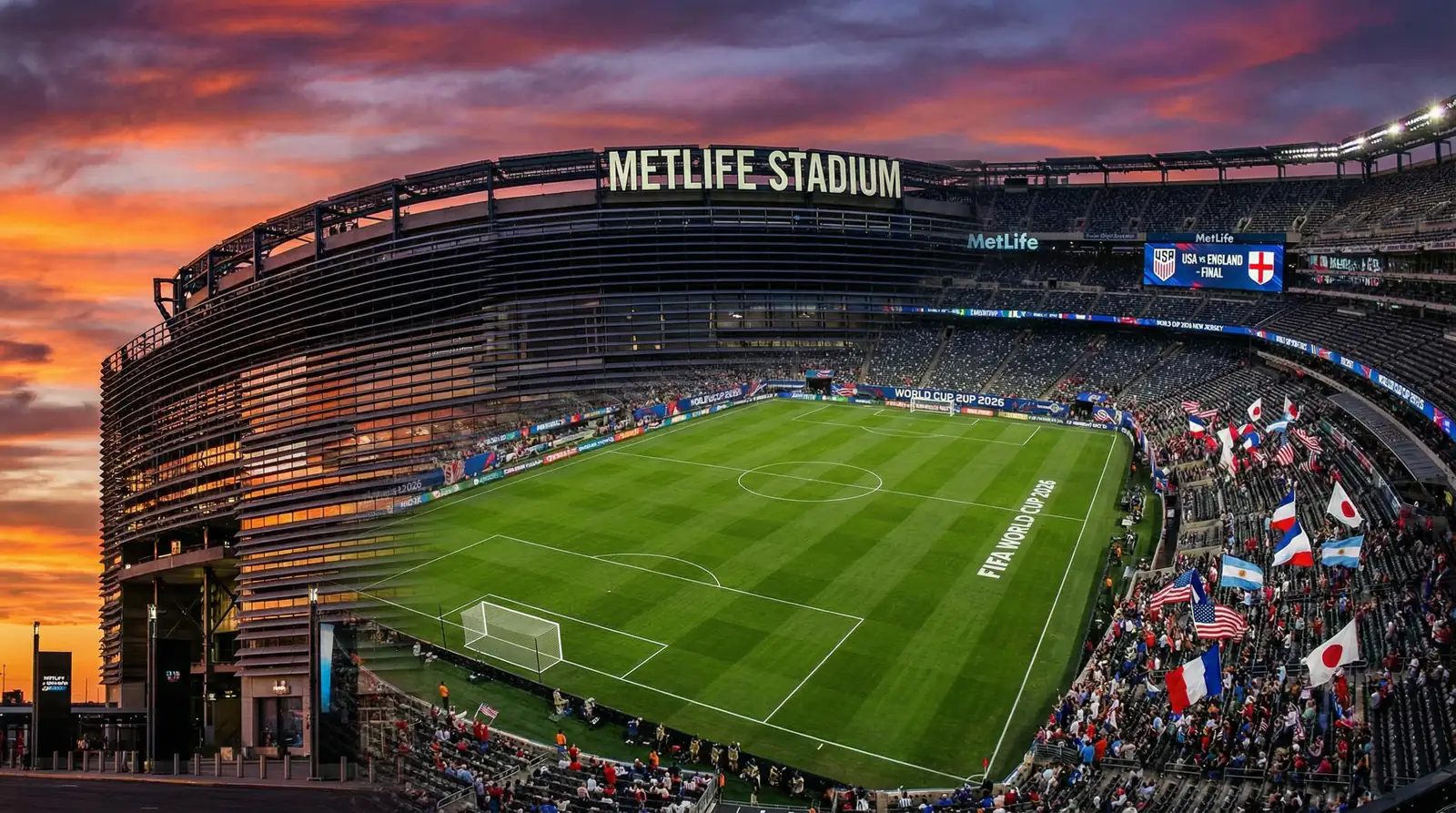
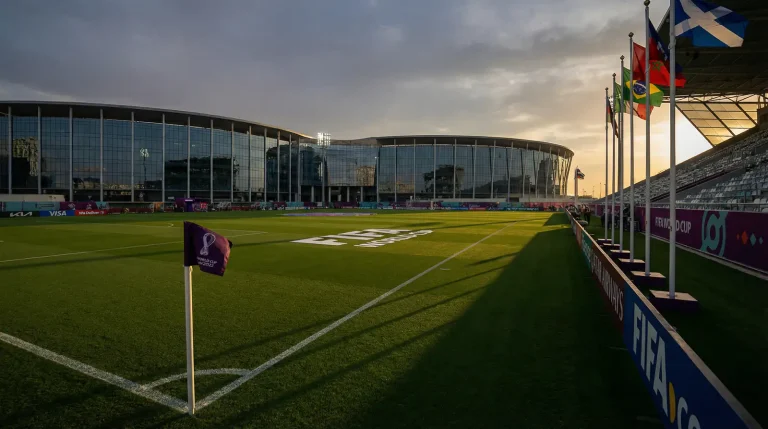
During Qatar 2022, every match kicked off between midnight and 5:00 AM AEST. Ratings were still strong — Australians love a World Cup — but the collective fatigue across the nation was real. I remember writing match previews at 3:00 AM, placing bets half-asleep, and making at least one terrible multi at 4:30 AM that I blamed entirely on the time zone. The 2026 tournament is kinder. Not perfect — some matches will still be middle-of-the-night affairs — but the geographic spread across North America means a genuine mix of time slots for viewers in AEST.
The 16 stadiums sit across three time zones that matter for Australian scheduling. Here's a simplified breakdown of how North American kick-off times translate to AEST:
| North American Time Zone | Typical Kick-Off (Local) | AEST Equivalent |
|---|---|---|
| Pacific (Vancouver, Seattle, San Francisco, LA) | 12:00 PM – 9:00 PM | 5:00 AM – 2:00 PM |
| Central (Houston, Dallas, Kansas City, Mexico City) | 12:00 PM – 9:00 PM | 3:00 AM – 12:00 PM |
| Eastern (New York, Miami, Atlanta, Philadelphia, Toronto) | 12:00 PM – 9:00 PM | 2:00 AM – 11:00 AM |
The pattern is clear: west-coast matches are the most viewer-friendly for Australians, with afternoon AEST kick-offs that let you watch without setting an alarm. East-coast evening matches — including semi-finals and the final at MetLife Stadium — will land around 7:00 to 9:00 AM AEST, which is manageable for a weekend or with a flexible work arrangement. The worst slots are east-coast afternoon kick-offs, which hit AEST between 2:00 and 4:00 AM.
SBS holds exclusive free-to-air rights in Australia for all 104 matches. That means no paywall, no subscription scramble — every group match, every knockout round, every penalty shootout, live and free. SBS has confirmed coverage across television and its streaming app, which is critical for punters who want to watch on mobile while tracking odds in a separate tab.
For punters, the AEST scheduling creates a strategic consideration. Matches you watch live give you an information edge for in-running analysis (even though you can only place in-play bets by phone). Matches that kick off at 3:00 AM are ones where pre-match bets make more sense — lock in your position before bed and check the result in the morning. I find it useful to mark the full fixture list with three categories: "watch live", "wake early", and "pre-match only". It sounds simple, but it prevents the 4:00 AM impulse bet that history suggests rarely ends well.
The Socceroos' three venues — BC Place in Vancouver, Lumen Field in Seattle and Levi's Stadium in San Francisco — are all detailed in separate stadium guides with travel tips for fans heading to North America. MetLife Stadium hosts the final on 19 July, which projects to around 8:00 AM AEST on a Sunday morning. If Australia make a deep run, that's a very watchable final for the entire country.
West-coast US and Canadian venues produce the best AEST kick-off times — afternoon viewing with no alarm required. East-coast evening fixtures land around breakfast time AEST. All 104 matches are live and free on SBS.
How to Bet on the World Cup 2026: A Quick Guide for Aussie Punters


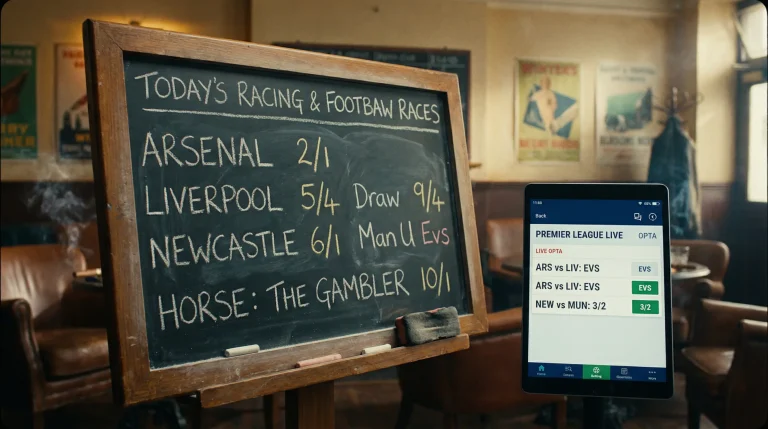

If you can bet on an AFL grand final or the Melbourne Cup, you already know the mechanics. World Cup betting uses the same licensed platforms, the same decimal odds format, and the same deposit methods. The difference is the sheer volume of markets — 104 matches spread across 39 days — and the unfamiliarity of some teams. You probably know what to expect from Collingwood or the Cox Plate favourite, but how confident are you pricing a match between Senegal and Iraq?
The process starts with an account at a licensed Australian bookmaker. If you don't already have one, registration takes minutes — standard ID verification, a debit card or bank transfer for deposits, and agreement to the operator's terms. Remember: credit cards and cryptocurrency are not accepted for deposits since the June 2024 reforms. Once your account is funded, navigate to the football or World Cup section, where markets are typically organised by match, by group, or by tournament-wide outrights.
The core markets you'll encounter at the World Cup fall into a handful of categories. Head-to-head (also called match result or 1X2) lets you back the home team, the draw, or the away team in group-stage matches. In the knockout rounds, head-to-head usually covers the result in 90 minutes, with separate markets for "to qualify" that include extra time and penalties. Over/under goals sets a line — typically 2.5 — and you back whether the total goals will be over or under that number. Both teams to score (BTTS) is a yes/no market that has become enormously popular in Australian punting circles because it doesn't require you to pick a winner.
Then there are the Australian-specific favourites. Multis — known as accumulators in the UK — let you combine multiple selections into a single bet with compounding odds. A three-leg multi at 1.80, 2.10 and 1.65 pays 6.24 for every dollar staked. Multis are wildly popular among Aussie punters and are the bread-and-butter promotion of every major bookmaker during a World Cup. Same-game multis (SGMs) combine selections from a single match — say, Brazil to win, over 2.5 goals, and Vinícius Jr to score anytime — into one bet with boosted odds.
Multi (accumulator) — a single bet combining two or more selections. All legs must win for the bet to pay out. The odds multiply together, creating larger potential returns — and larger risk.
One market that confuses newcomers is each-way betting on outrights. An each-way bet on, say, the Netherlands to win the World Cup pays the full odds if they win the tournament and a fraction (typically 1/4 or 1/5 of the outright odds) if they finish in the top two, three or four — depending on the bookmaker's terms. It's a way to back a contender without needing them to go all the way. Check the each-way terms carefully, because they vary between operators.
A practical note on bankroll management: with 104 matches, the temptation to bet on every game is real. I recommend setting a fixed World Cup bankroll — an amount you're comfortable losing entirely — and dividing it into units. A common approach is 50 units across the tournament, with standard bets of one unit and occasional conviction bets of two to three units. That structure keeps you active through the final without blowing your budget in the group stage. Detailed breakdowns of market types, odds calculation and bankroll strategies tailored to the 48-team format sit in the dedicated guide.
Markets and mechanics covered — now for the questions I hear most often from punters preparing for this tournament.
World Cup 2026 Betting FAQ
Can I place in-play bets on World Cup matches from Australia?
Not online. Under the Interactive Gambling Act 2001, in-play betting via websites or apps is prohibited in Australia. You can place live bets during a match by calling your bookmaker's phone betting line. All four major licensed operators — Sportsbet, Bet365, Ladbrokes and TAB — offer phone betting for in-play markets. Pre-match bets placed online remain active during the match, so if you want exposure to a live game without calling, lock in your bet before kick-off.
What odds format do Australian bookmakers use for the World Cup?
Decimal odds are the standard across all licensed Australian operators. A decimal odd of 3.00 means a $1 bet returns $3 (including your original stake), giving you a $2 profit. To calculate implied probability, divide 1 by the decimal odd — so 3.00 implies a 33.3% chance. If you're coming from UK fractional odds or American moneyline odds, most Australian platforms let you toggle formats in the settings, but decimal is the default and the format used throughout this site.
Are multis a good strategy for World Cup betting?
Multis are entertaining and offer large potential payouts, but they're mathematically harder to win than single bets because every leg must succeed. For the World Cup, I'd suggest keeping multis to three or four legs maximum, focusing on group-stage matches where form is more predictable than knockout rounds. Same-game multis — combining results, goals and player markets from a single match — can offer value if you've genuinely researched the fixture. Avoid the temptation to build eight-leg multis across a full match day; the odds look attractive, but the win probability drops dramatically with each added leg.
What is the best time to place World Cup bets from Australia?
Early markets — those available weeks before a match — tend to offer the best value because bookmakers are still shaping their lines and less money has been wagered. As kick-off approaches and public betting patterns emerge, odds typically tighten on popular outcomes. For outright winner and group winner markets, placing bets well before the tournament opens on 11 June usually captures better prices than waiting until the first ball is kicked. For individual match bets, I aim to place mine 24 to 48 hours before kick-off, once team news and final squads are more settled.
Can I use a VPN to access overseas betting sites from Australia?
Using a VPN to access unlicensed offshore betting sites from Australia is a grey area legally and a clear risk practically. ACMA actively blocks unlicensed gambling websites, and any winnings from an unregulated site come with zero consumer protections. Licensed Australian bookmakers are regulated, your funds are protected under Australian law, and disputes can be escalated to state gambling authorities. I'd strongly recommend sticking with licensed operators for World Cup 2026 betting.
How many teams qualify from each World Cup 2026 group?
The top two teams from each of the 12 groups advance automatically to the Round of 32. Additionally, the eight best third-placed teams across all groups also qualify, bringing the total knockout field to 32. This means 32 of 48 teams — two-thirds of the tournament — progress past the group stage, a significantly more generous structure than the 32-team format used from 1998 to 2022.
Where can I watch all World Cup 2026 matches in Australia?
SBS holds exclusive free-to-air broadcast rights for all 104 matches of the 2026 World Cup. Coverage will be available on SBS television and through the SBS On Demand streaming platform, which is free to access. No subscription or pay-TV package is required. SBS has broadcast the World Cup in Australia since 1986 and has confirmed full coverage including pre-match analysis, live commentary and post-match highlights for every fixture.
Your World Cup, Your Way — From Melbourne to MetLife
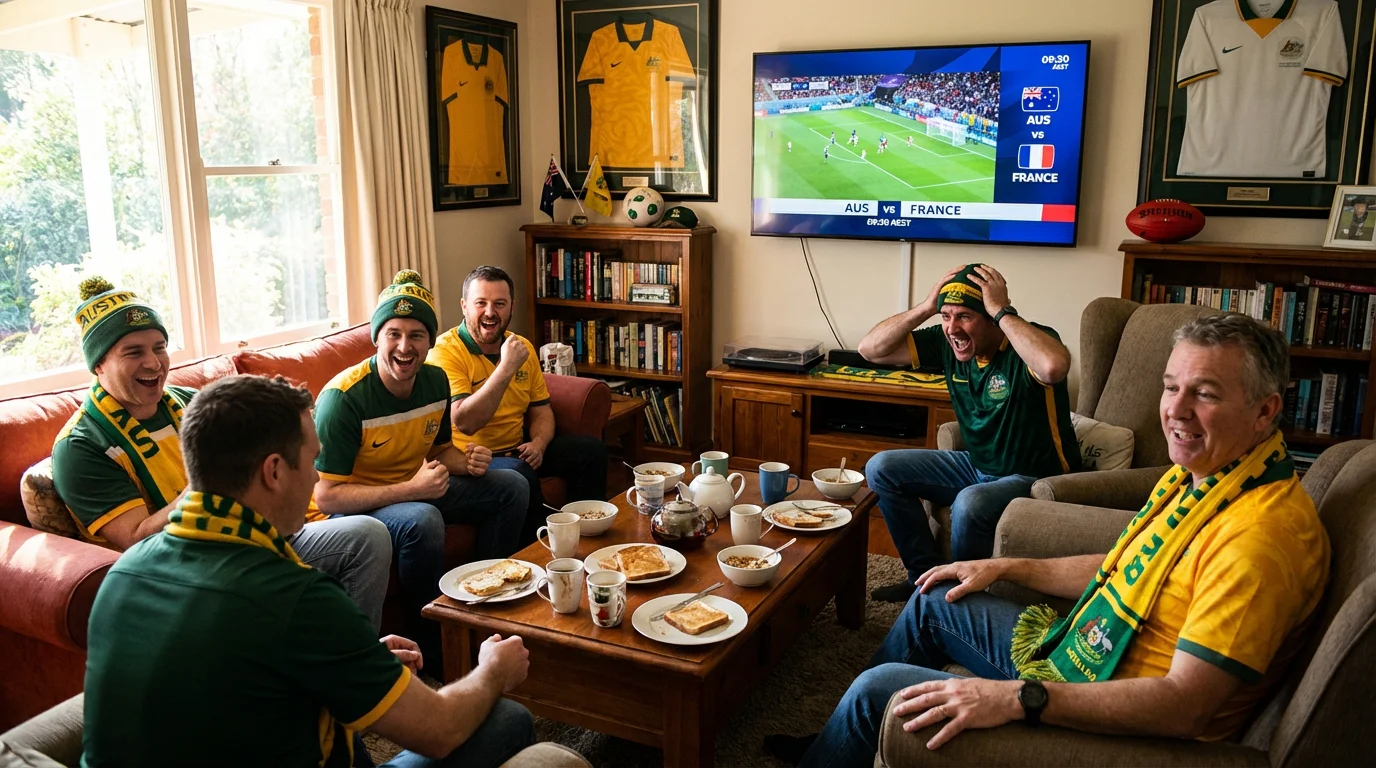
Eleven June is coming. The Socceroos will walk out at BC Place in Vancouver on a Saturday afternoon AEST, and for the next five weeks, Australian punters will have more World Cup betting markets, more matches and more early-morning drama than any tournament before. The 48-team format doesn't just expand the field — it reshapes the maths, compresses the odds for mid-tier nations, and creates value in corners of the market that didn't exist four years ago.
I've covered every World Cup since 2010 from a betting perspective, and I can tell you this: preparation matters more than prediction. Know your group, understand the format, track the odds movements, and set a bankroll you won't regret in August. The Socceroos have a genuine shot at advancing from Group D. The outright market is wide open. And every single match is free on SBS.
This hub will be updated throughout the build-up and during the tournament itself — odds snapshots, Socceroos form analysis, and match-by-match betting angles as each round unfolds. Bookmark it, set your alarms, and enjoy the ride. World Cup 2026 betting starts with the research you're doing right now.
About the author
Senior Football Betting Analyst specialising in international tournament odds markets and Socceroos form analysis. Over 10 years covering FIFA World Cup betting, A-League wagering and Asian qualifying cycles. Based in Australia, writing in AEST, punting in decimal odds.
